 ATRIUM
Can You Drive Uber or Lyft in a Rental Car? How to Check
August 30, 2026
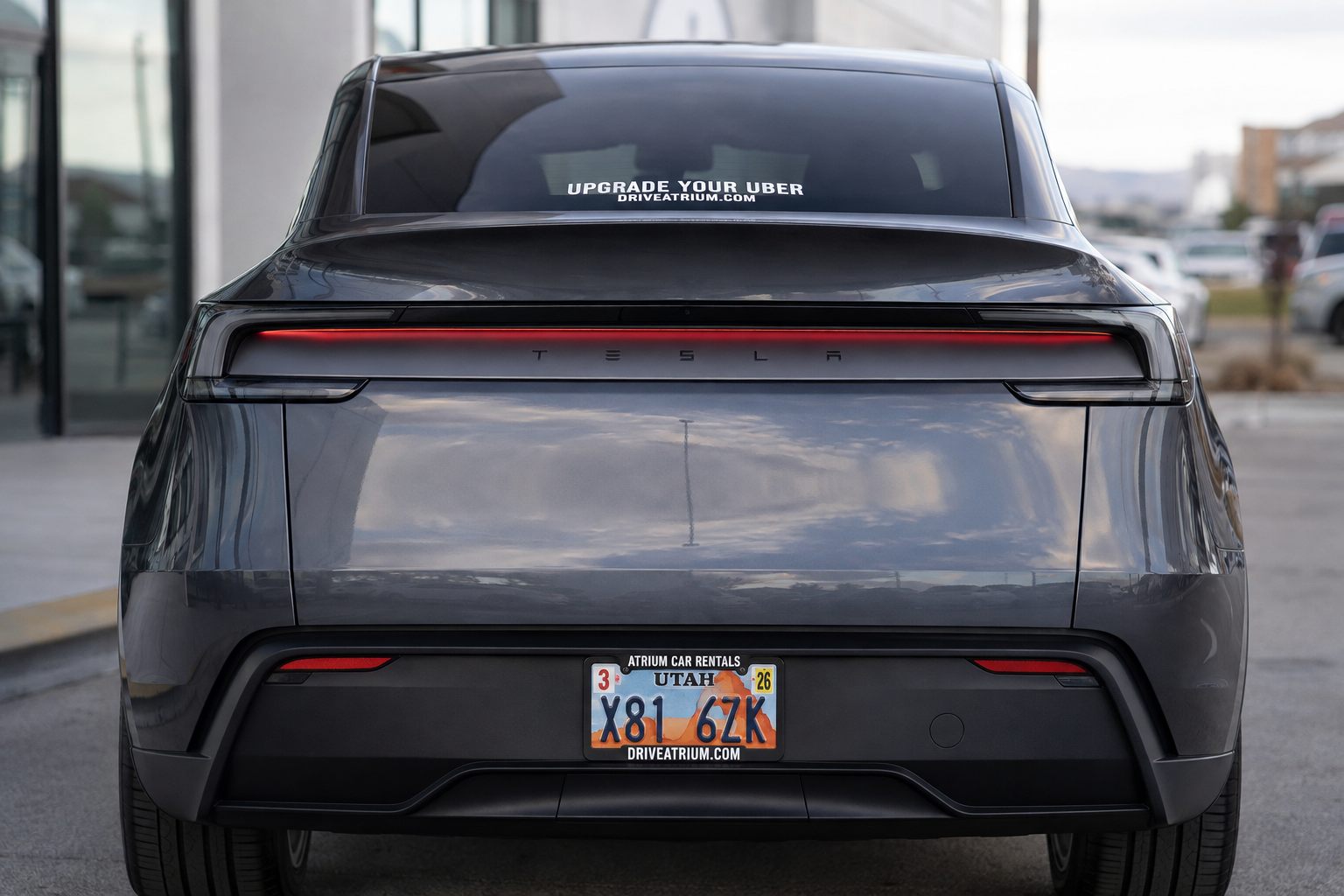
Here's the question almost nobody asks until it's expensive: does your rental agreement actually allow rideshare driving? Most don't. The car works fine, the apps accept it, and the problem stays invisible right up until a claim, an audit, or a platform review — the three worst possible moments to learn what your contract says.
Why most rentals quietly say no
Standard rental agreements are written for personal use, and most exclude what insurers call livery or commercial use — carrying passengers or goods for pay. That's not fine print malice; it's how the rental company's insurance is priced. But it means:
- Traditional rental counters: the standard agreement at most agencies excludes commercial use unless you're renting through a dedicated rideshare program. The car will physically do the job; the contract usually says it mustn't.
- Peer-to-peer platforms: most listings prohibit or restrict rideshare and delivery use in their terms, and hosts can lose their own coverage when a guest drives commercially. Some hosts allow it explicitly — but you need it in writing, per listing.
- The platforms themselves publish their own rules about which rentals they accept, and those rules change. Eligibility is always the platform's call, made against your driver account.
What driving on a prohibited rental risks
If the agreement excludes commercial use and you drive rideshare anyway, you're exposed in ways that stack: the rental company's coverage may not respond to a claim that happened during prohibited use, the platform's coverage has its own conditions, and the contract itself gives the company grounds to end the rental and keep remedies the agreement provides. None of this tends to surface on good days — it surfaces after a crash.
The five things to check in any rental, anywhere
- An explicit rideshare permission. Not the absence of a prohibition — an actual sentence saying TNC/rideshare use is allowed. If you can't point to it, assume it isn't there.
- The commercial-use exclusion. Search the agreement for "livery," "commercial," or "for hire." That clause decides everything above.
- Mileage terms that survive real driving. Full-time rideshare puts serious miles on a car. Know the included miles, the per-mile rate past them, and whether rideshare miles are treated differently from personal ones.
- Insurance coordination. Who covers what — your policy, the rental company's, the platform's while the app is on — and what the deductibles are. If the answer is fuzzy, that fuzz is your risk.
- What happens weekly. Rate, deposit, fees, and how you get out. Know the minimum term, and what ending early costs, before you sign.
How Atrium answers those five: rideshare use is explicitly permitted in the rental agreement — it's the whole point of the fleet. The Teslas include 5,000 miles a month, measured as 1,250 a week; the weekly rate, a one-time $25 application fee and a $300 refundable deposit are everything mandatory; you bring your own qualifying auto insurance or ask about coverage through Atrium's program; and rentals are billed weekly with a 1-month minimum term. Renters add the car to Uber and Lyft themselves; final platform and ride-tier eligibility is determined by the platform and your driver account.
Delivery apps too
The same reading applies to DoorDash, Uber Eats and similar platforms — commercial use is commercial use. At Atrium, delivery platforms need our written approval first; ask before you turn the app on, and the answer is usually a quick one.
The honest bottom line
A rental that permits rideshare in writing costs a bit more than a weekend special, because the coverage behind it is priced for the work. That difference buys you the thing that actually matters: when something goes wrong at 1 AM with a passenger in the back seat, everyone's paperwork agrees you were allowed to be there.
Platform rental policies and terms referenced here reflect published policies as of August 2026 and change over time — always check the current version of any agreement and the platform's own current rules before relying on either. This article is general information, not legal or insurance advice.
A rental where rideshare is the point
Rideshare explicitly permitted · No credit checks · Approved in about 24 hours · Provo, Utah